
How Global Supply Chains Shape South African Construction Projects
Global Dependencies in Local Builds
In South Africa, the construction sector thrives on both local resources and imported materials. From steel beams to specialty machinery, the reliance on international suppliers has grown over the past decade. While globalization brings efficiency and choice, it also exposes projects to risks far beyond domestic borders. Delays in shipping, customs bottlenecks, or geopolitical tensions can ripple through local schedules, inflating costs and frustrating timelines. Understanding these dynamics is crucial for project managers, developers, and contractors who aim to maintain predictability in an increasingly unpredictable environment.
Understanding the Global Supply Chain
A supply chain is more than just shipping containers arriving at port. It is a complex network involving raw material extraction, manufacturing, transportation, logistics, and local distribution. For South African construction projects, this can mean:
- Steel from India or China used in high-rise frameworks.
- Electrical components sourced from Germany or Italy for specialized infrastructure.
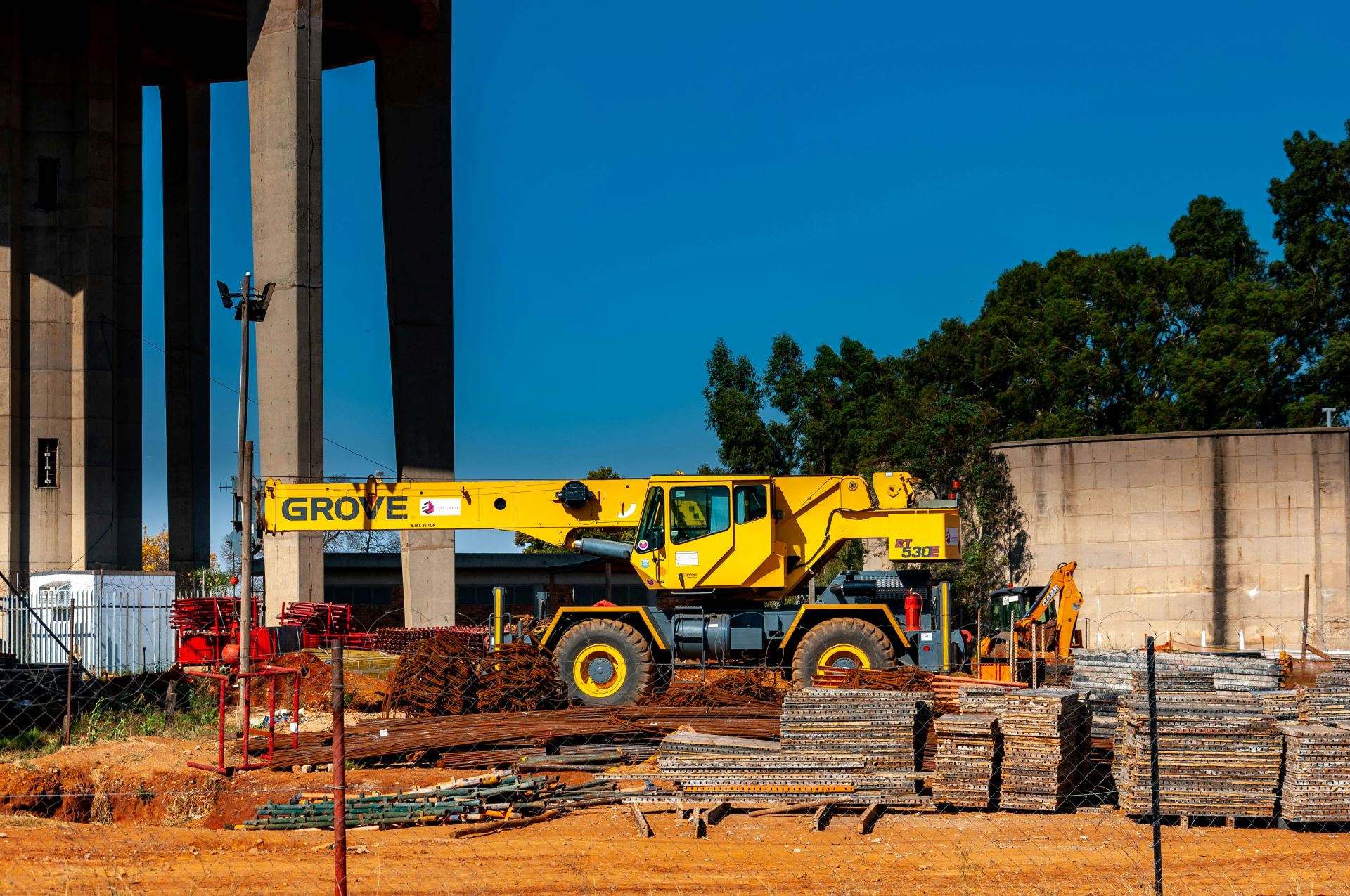
- Heavy machinery from the US or Japan to execute earthworks efficiently.
Each international step introduces potential delays. A factory shutdown in Europe or a port strike in Asia can halt the flow of critical materials, leaving local construction teams idle. This interdependence highlights the fragility of local builds when supply chains falter.
How Delays Manifest in South African Construction
When materials or equipment are delayed abroad, the consequences on local projects are immediate and multifaceted. Delays often lead to:
- Project schedule disruptions, requiring revisions to labor and equipment allocation.
- Increased costs due to expedited shipping or sourcing alternative suppliers.
- Risk of contract penalties if deadlines cannot be met.
For example, the construction of a mid-sized office building in Johannesburg could be delayed for weeks if prefabricated steel sections from overseas arrive late. Such interruptions ripple through every stage, from foundational work to finishing touches, undermining project predictability.
Contingency Planning: Strategies for Mitigating Delays
South African construction firms have developed multiple strategies to buffer against international disruptions. Key approaches include:
- Local Sourcing Alternatives: Identifying domestic suppliers who can provide substitute materials or equipment reduces dependency on international shipments. While costs may be higher, the reliability offsets potential delays.
- Inventory Buffering: Maintaining strategic stock of essential materials ensures continuity, especially for items with long lead times.
- Flexible Scheduling: Designing project plans with adjustable timelines allows teams to absorb delays without derailing overall completion dates.
- Supplier Diversification: Partnering with multiple international vendors spreads risk, so a problem in one region does not halt the entire supply chain.
- Real-time Tracking Systems: Digital platforms that monitor shipments globally can alert teams to potential bottlenecks, allowing proactive adjustments.
These contingency strategies are not merely theoretical—they represent practical, tested approaches that many South African contractors now integrate into standard project management protocols.
Case Study: Residential Developments in Gauteng
Several high-end residential developments in Gauteng have demonstrated the necessity of contingency planning. When a key shipment of imported glazing panels was delayed due to port congestion, the project team swiftly shifted to locally manufactured alternatives. The minor adjustment prevented a two-week work stoppage and preserved client confidence. This example illustrates the tangible benefits of proactive planning and supplier flexibility.
Balancing Cost and Reliability
One challenge in mitigating global supply chain risks is balancing cost with reliability. Importing materials from the cheapest overseas supplier may offer initial savings but carries higher risk of delays. Conversely, investing in local alternatives or premium suppliers increases upfront costs but stabilizes project timelines. South African project managers must weigh these considerations carefully, often adopting hybrid strategies that combine international sourcing with domestic backup plans.
Leveraging Technology in Supply Chain Management
Technological innovation is increasingly vital for managing international dependencies. Tools such as:
- AI-driven demand forecasting to anticipate potential shortages.
- Blockchain systems for transparent tracking of materials.
- Cloud-based logistics platforms to coordinate shipments across multiple countries.
These technologies allow South African construction firms to respond swiftly to delays, optimize inventory, and maintain project continuity, turning uncertainty into manageable risk.
Policy and Infrastructure Impacts
Government policies and local infrastructure also play critical roles in mediating global supply chain challenges. Efficient port operations, customs facilitation, and supportive trade agreements can reduce the likelihood and impact of delays. Construction firms are increasingly engaging with policy advocacy to ensure smoother import processes and better logistical support, recognizing that a robust domestic framework strengthens resilience against international disruptions.
The Human Factor: Workforce Planning
Delays in material availability inevitably impact human resources. South African contractors are learning to:
- Adjust labor schedules to align with material availability.
- Train teams in multi-skill areas, allowing redeployment during idle periods.
- Implement incentive structures that encourage flexibility without penalizing workers for unavoidable delays.
By integrating workforce management into supply chain contingency planning, firms preserve productivity and morale even when materials are temporarily unavailable.
Future Outlook: Building Resilience
Global supply chain volatility is unlikely to disappear. South African construction projects must therefore embed resilience into every phase—from procurement and scheduling to workforce management and risk assessment. Emphasis on local sourcing, flexible planning, and advanced monitoring technologies ensures that even when international disruptions occur, projects remain on track. The goal is not to eliminate dependence on global networks but to manage it intelligently, balancing efficiency with reliability.